
The thinkers camping group.

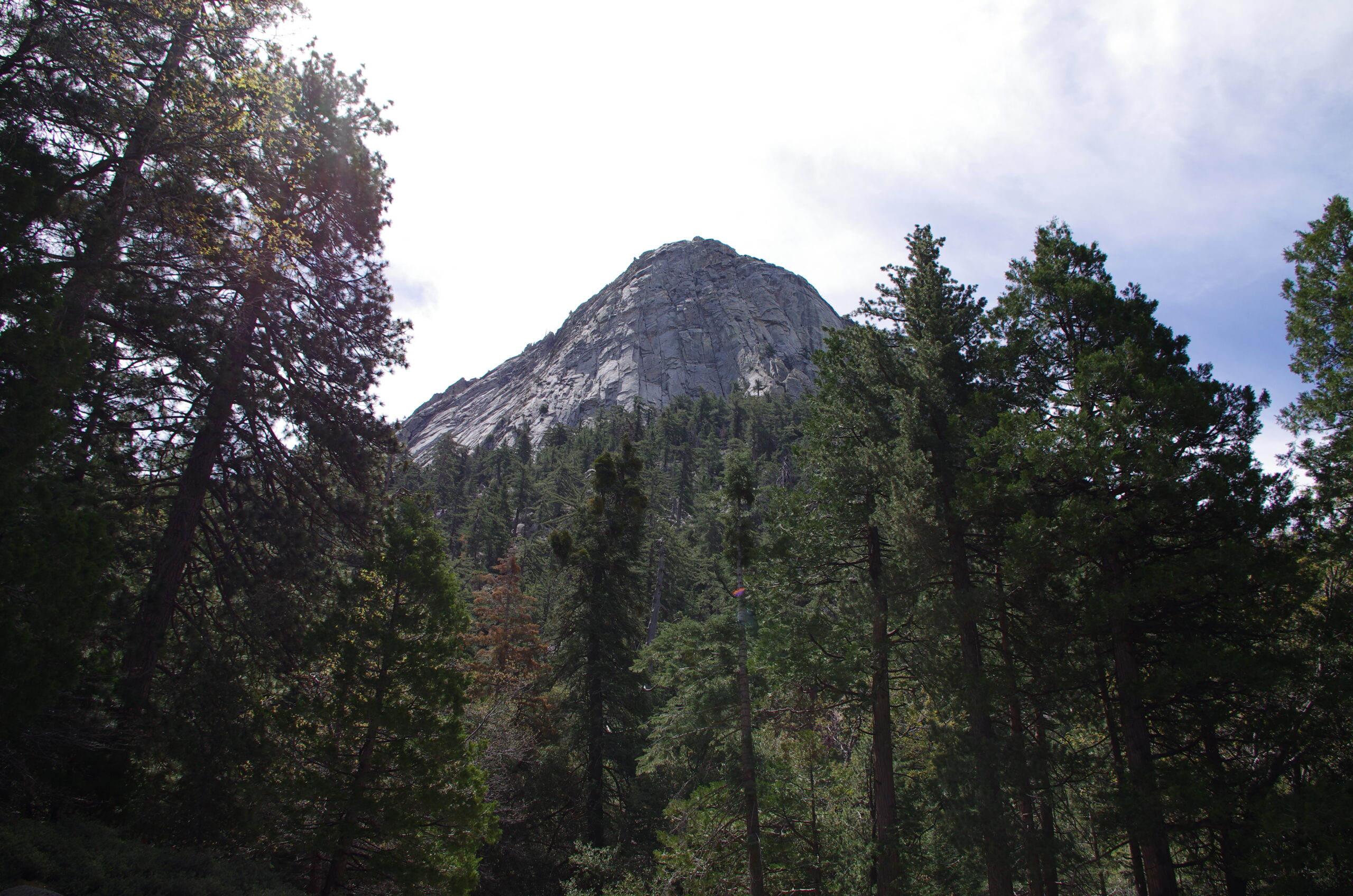
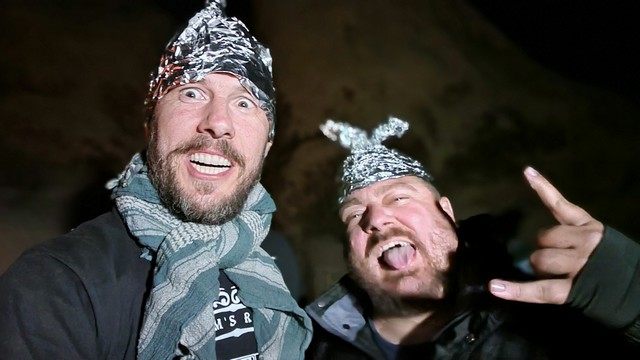
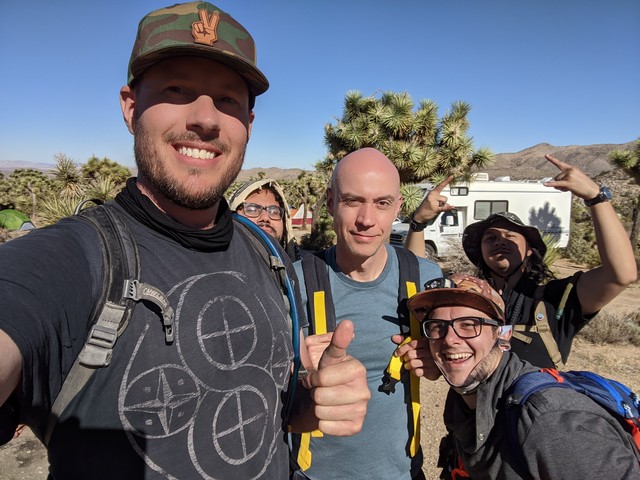
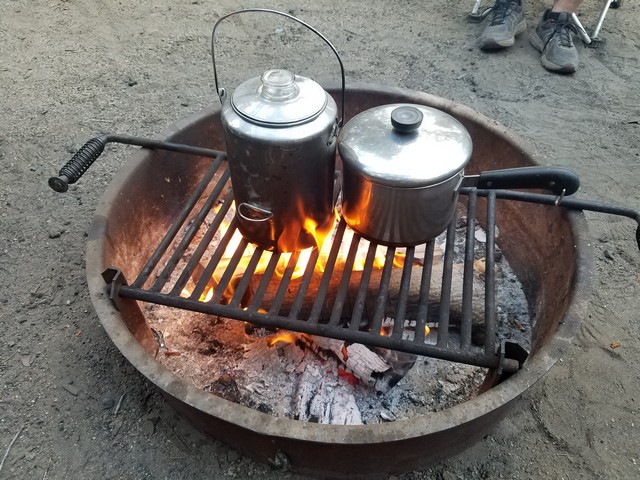
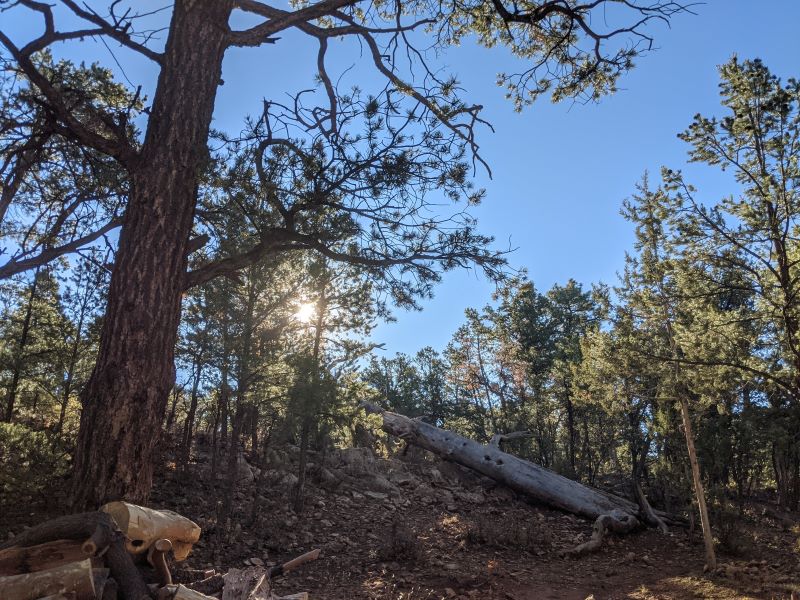
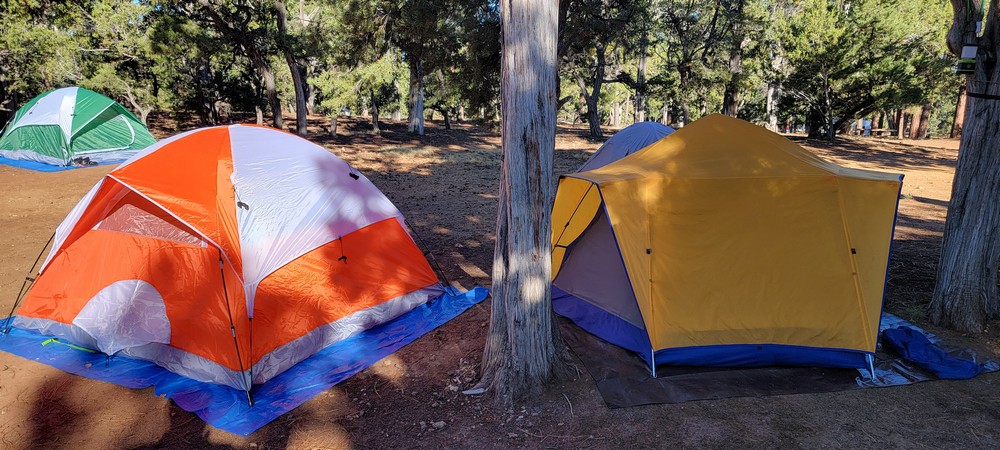
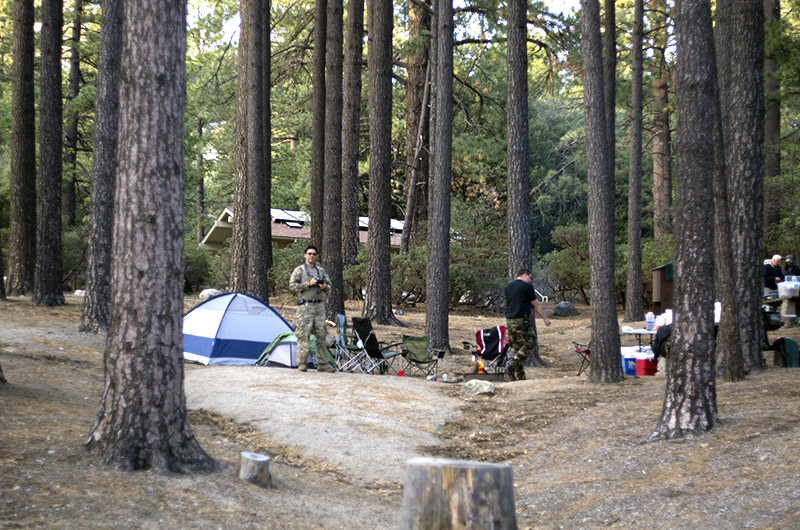
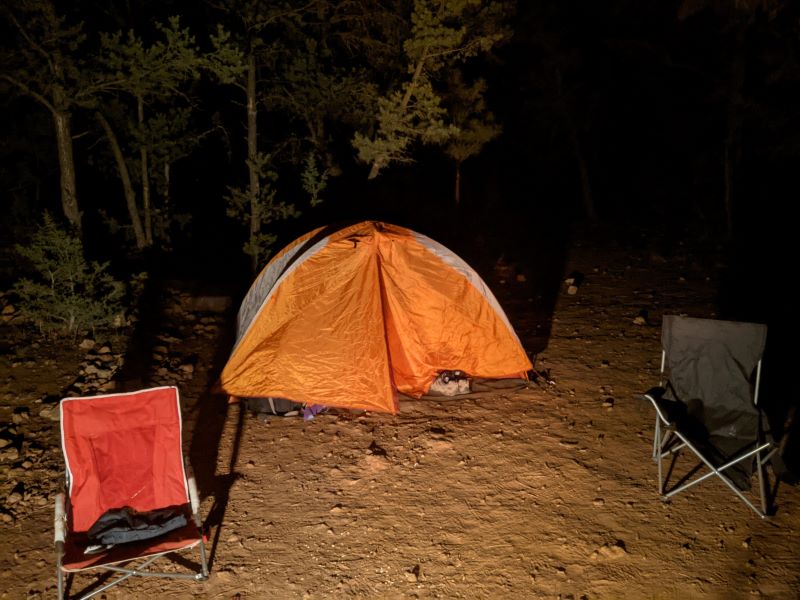
Metaphysical Images




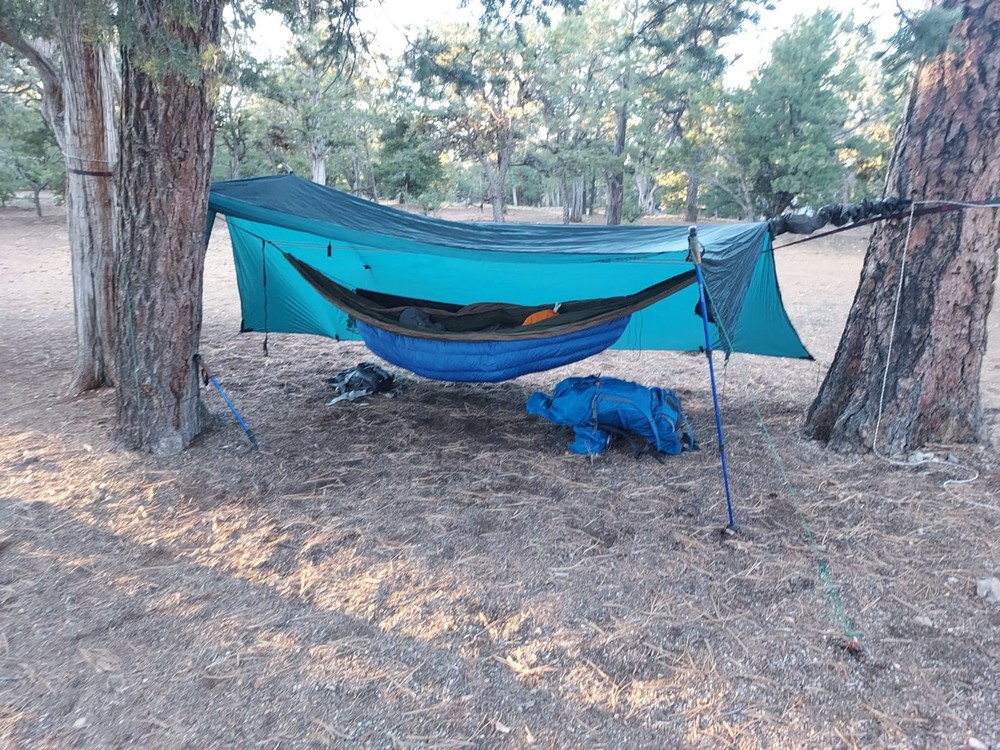






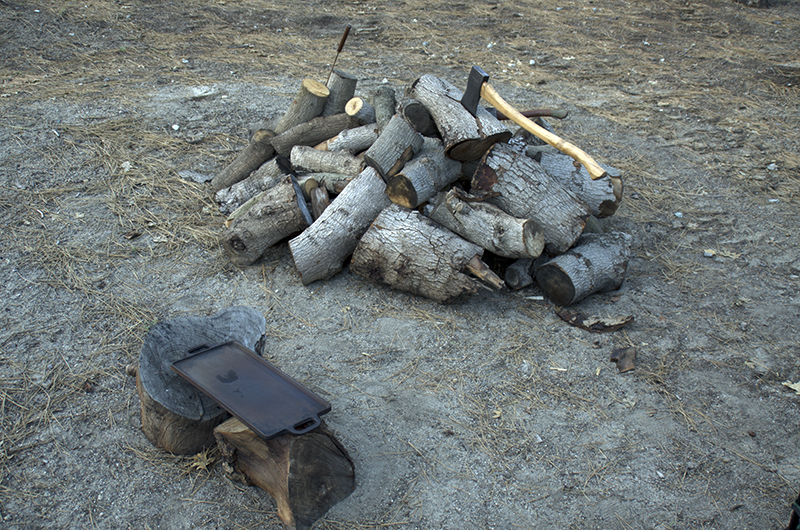

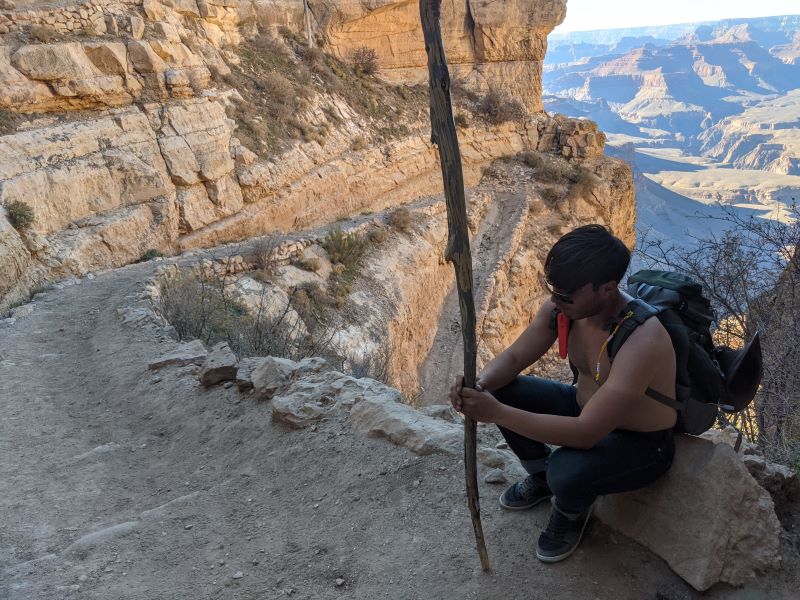
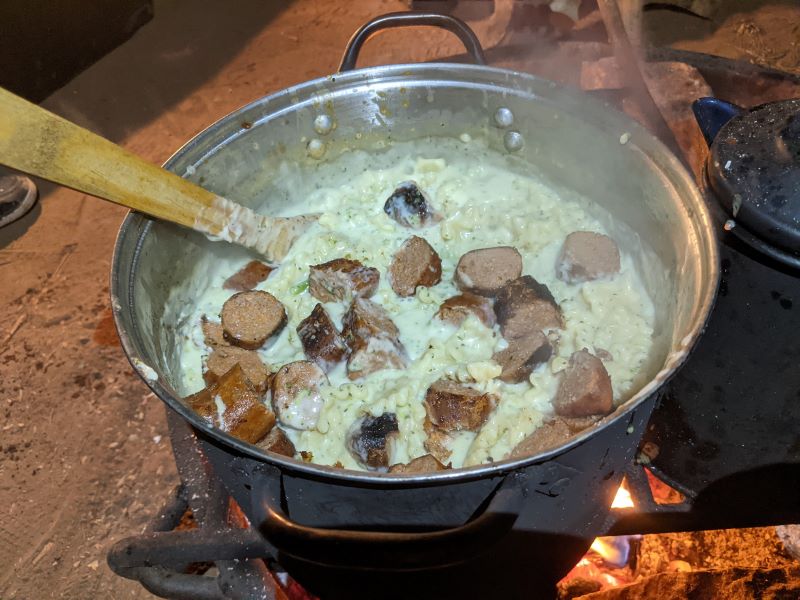







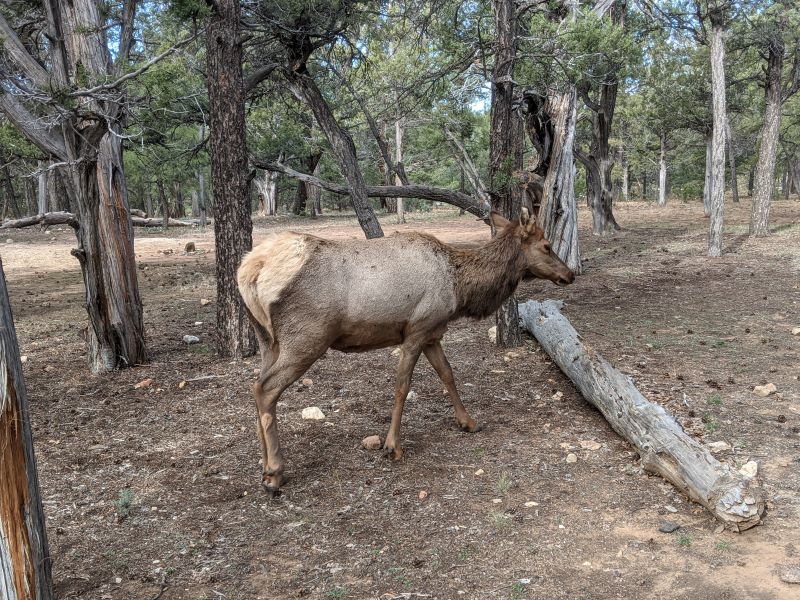
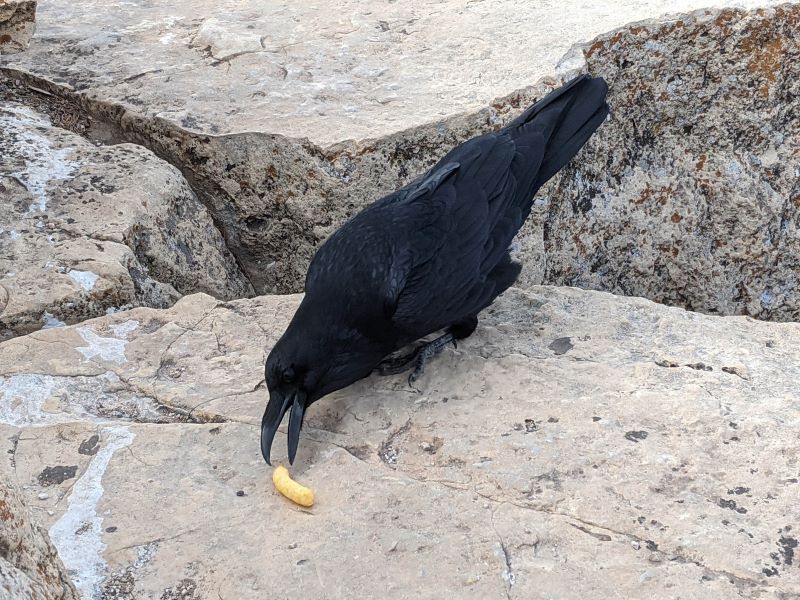
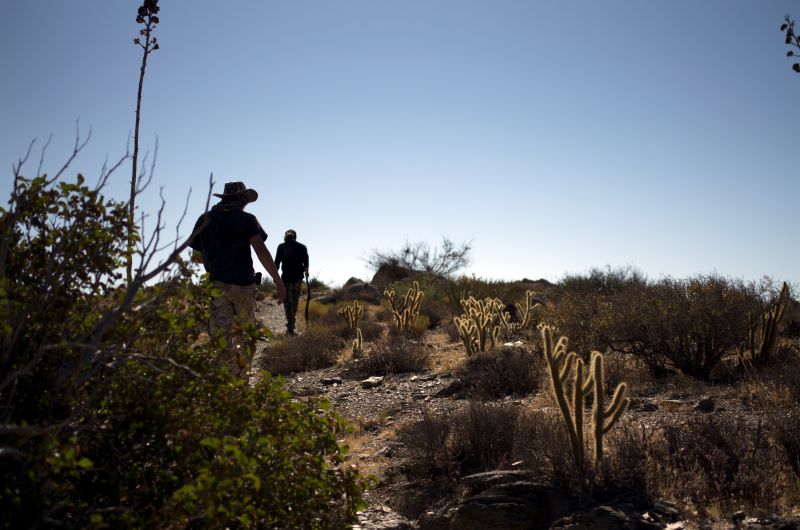
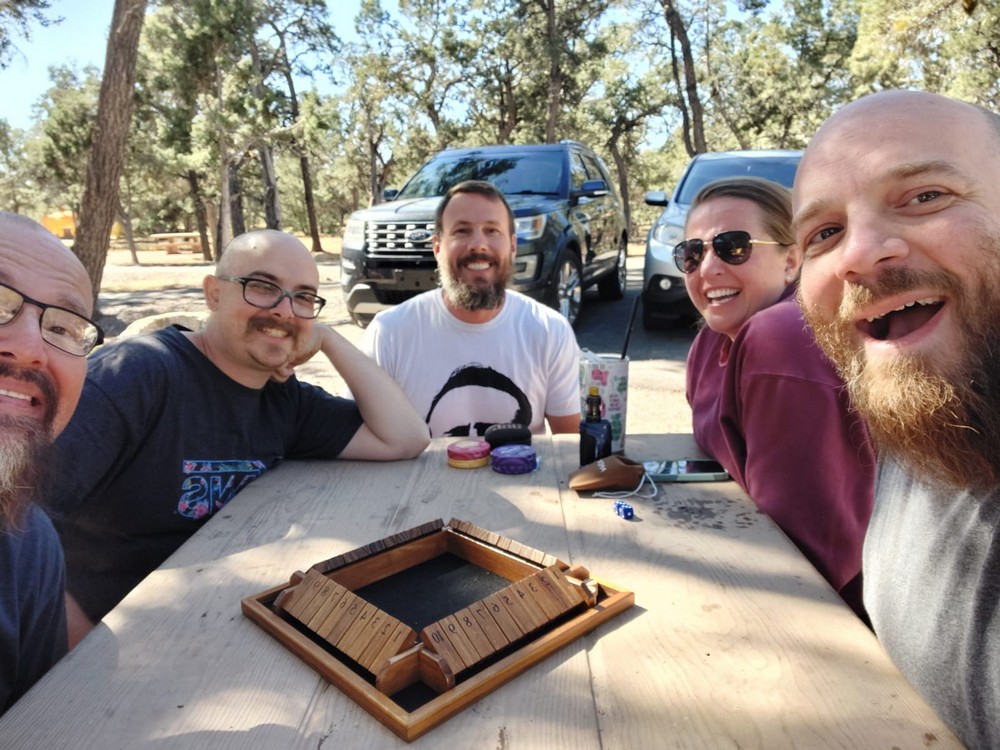



…

Campological Principles
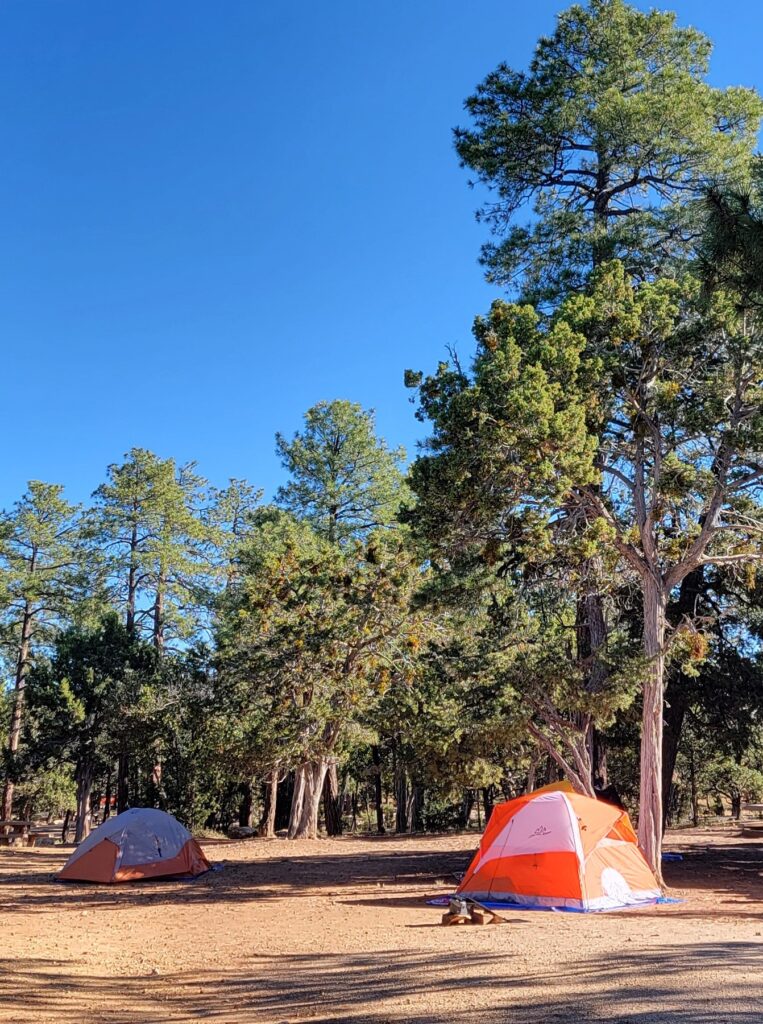
Camp
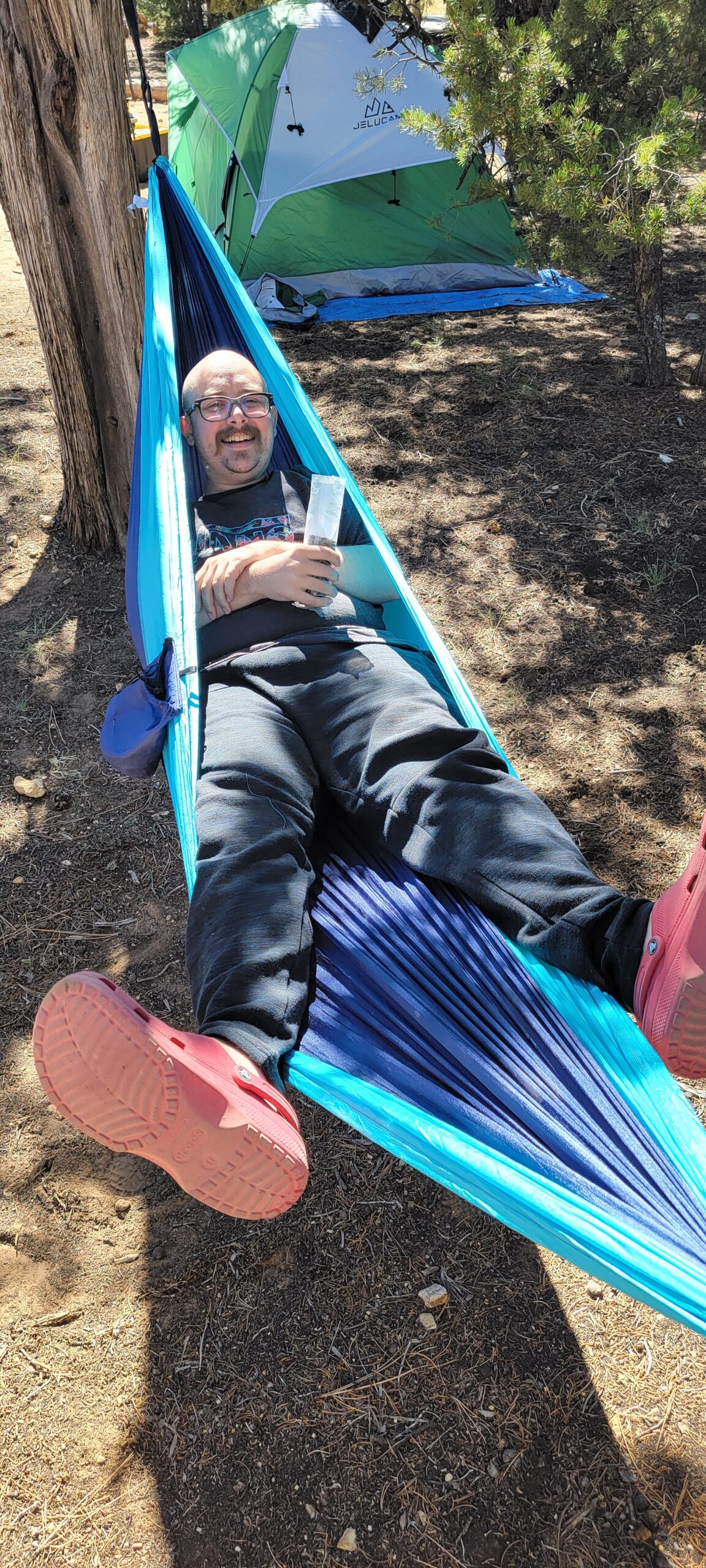
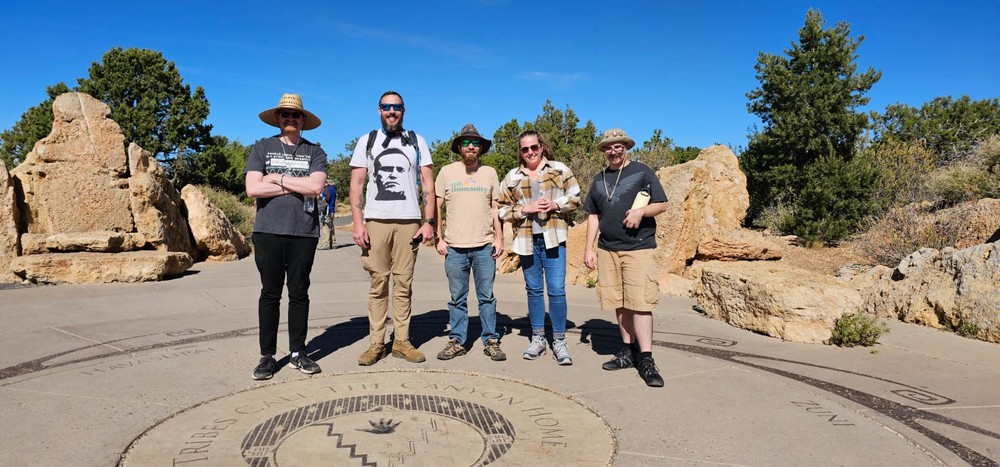
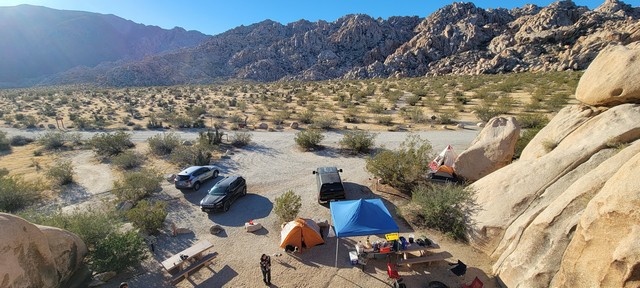
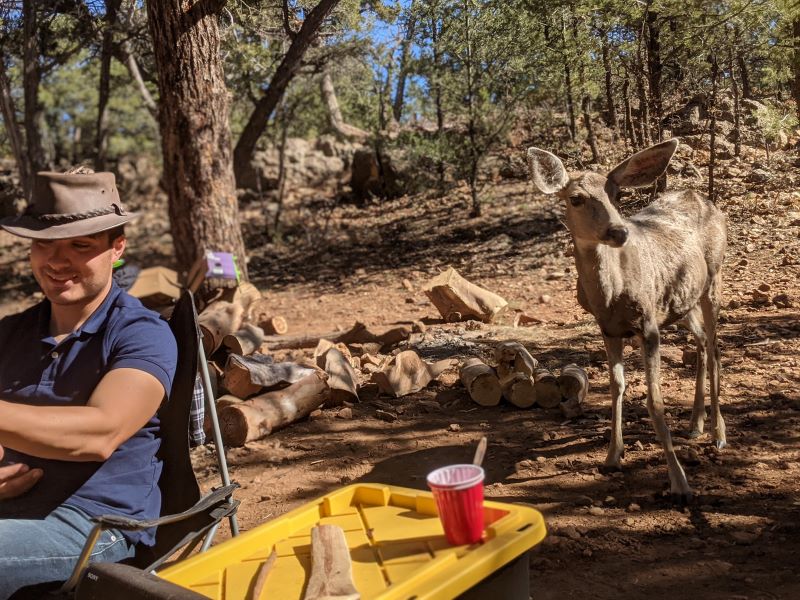
With less than absolute certainty, it seems to be objectively true that we love almost everything pertaining to camping.

Think
Some say we’re determined to think. Some say we can choose freely. Either way, the journey is worth more than 1,000 words.

Explore
The desire to look around may not be ontologically prior to the subjects of our observations, but wonder still remains.

Rest
A necessary and sufficient condition for vacationing includes naps (during which there may be no moral obligations).
COMMON TOPICS
- Normative Ethics
- Metaethics
- Epistemology
- Metaphysics
- Logic
- Philosophy of Mind
- Philosophy of Religion
- Philosophy of Science
- Philosophy of Language
- Philosophy of Physics
- Freewill & Determinism
- Phenomenology
- Ancient Philosophy
- Pragmatism
The study of what makes actions right or wrong.
The branch of philosophy that studies the nature, scope, and meaning of moral judgment, exploring what morality is itself, whether objective moral facts exist, and how we can know about them.
The study of knowledge and the theories of knowledge.
The branch of philosophy that studies the fundamental nature of reality, existence, and the relationship between mind and matter
The study of correct reasoning.
The study of the nature of the mind and its relation to the body and the external world, dealing also with questions about the nature of consciousness and mental states.
The philosophical examination of the themes and concepts involved in religious traditions as well as the broader philosophical task of reflecting on matters of religious significance including the nature of religion itself, alternative concepts of God or ultimate reality, and the religious significance of general features of the cosmos (e.g., the laws of nature, the emergence of consciousness) and of historical events.
The branch of philosophy concerned with the foundations, methods, and implications of science.
The study of the nature of language.
The study of the conceptual and fundamental foundations of modern physical sciences, focusing on space and time, quantum mechanics, and statistical mechanics.
Explores whether people’s choices and actions are truly free, in a robust sense, or if external and internal forces—such as biology, physics, or past events—completely control human behavior.
The study of structures of consciousness and lived experience from the first-person point of view
The study of Greek and Roman philosophy traditions, featuring key figures like Socrates, Plato, and Aristotle, who used reason to explore ethics, metaphysics, and the natural world.
Pragmatism is a philosophical tradition that understands knowing the world as inseparable from agency within it.